Best Places for Trailer Parking
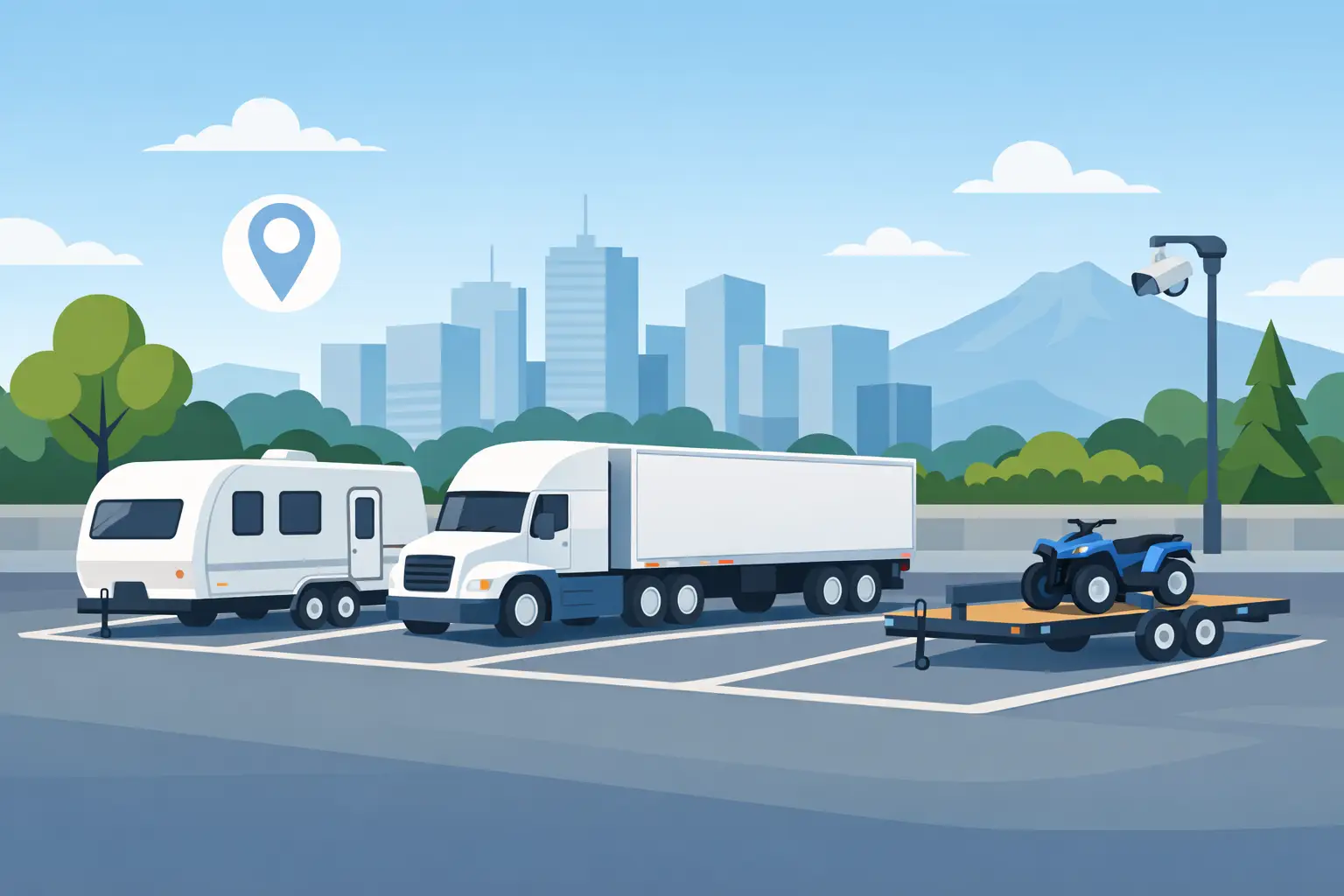
If you have ever finished a run late, pulled off the highway, and realized every decent lot is full or too tight for your trailer, you already know why the best places for trailer parking are not just a convenience. They protect your equipment, save time, and cut down on the kind of risk that gets expensive fast.
For trailer owners, owner-operators, and small fleets, parking is rarely just about finding an open space. It is about whether the lot is legal for commercial use, whether you can get in and out without fighting narrow lanes, and whether your trailer will still be exactly where you left it. A cheap spot on paper can turn into a costly mistake if access is limited, security is weak, or the site was never designed for commercial vehicles in the first place.
What makes the best places for trailer parking
The best parking options have a few things in common. First, they are built around commercial equipment, not adapted from passenger vehicle storage. That difference matters. A lot that works for cars and pickup trucks often becomes a problem when you are backing in a 53-foot trailer or storing heavier equipment that needs real turning space.
Security is usually the first filter. Gated entry, lighting, and visible surveillance are not extras for commercial users. They are basic requirements. If a property does not make security obvious, that tells you something. Drivers and fleet owners need to know who can access the site, what happens after dark, and whether the lot discourages theft and tampering.
Access hours matter just as much. A trailer lot that locks down at night may work for some storage needs, but it does not fit the reality of trucking. Loads shift. schedules change. Drivers arrive early or late. If you need your equipment at 2 a.m., restricted access creates a problem you should not have to solve.
The surface and layout also count. Gravel can be fine if it is maintained well, drains properly, and supports heavy commercial use. Poorly kept lots with soft spots, standing water, or cramped lanes slow everything down and increase the chance of damage. Good trailer parking should feel functional from the minute you pull in.
Best places for trailer parking by parking type
Not every parking option fits every operation. The right choice depends on how often you need access, what kind of trailer you are storing, and how much risk you are willing to accept.
Dedicated commercial truck and trailer lots
For most working drivers and trailer owners, dedicated commercial lots are the strongest option. These facilities are designed specifically for trucks, trailers, and in many cases equipment. That usually means wider drive aisles, easier entry, better security, and fewer surprises.
This kind of site tends to work best for long-term parking, recurring storage, and operators who need dependable access. It is also a better fit when the trailer itself has value beyond basic transport, such as specialized units, enclosed trailers, or equipment haulers. A dedicated lot is not always the cheapest line item, but it is often the best value when you factor in reduced risk and fewer operational headaches.
Industrial yards and equipment storage properties
Industrial yards can work well when they are professionally managed and set up for commercial storage. These sites may be a good fit for flatbeds, utility trailers, machinery trailers, and mixed equipment fleets. The benefit is often flexibility. The trade-off is that not every industrial yard offers the same level of access control or customer support.
Before using one, look closely at how the property is run. Some yards are secure and organized. Others are little more than open land with a fence. That difference shows up quickly when you need to retrieve equipment after hours or want confidence that your trailer is being stored in a monitored environment.
Truck stops and travel centers
Truck stops can help in a short-term pinch, especially during transit. If you need overnight parking and can find an open space, they are convenient by design. Fuel, food, and highway access are close by, and that is useful when you are on the move.
Still, truck stops are rarely the best answer for trailer storage. Space is limited, turnover is constant, and security varies. They serve active travel better than unattended trailer parking. For a drop trailer or any situation where the unit will sit for more than a brief stop, a dedicated facility is usually the safer call.
Private land or informal parking arrangements
Some trailer owners use private lots, unused land, or handshake rental deals. This can look affordable upfront, especially in smaller markets. The problem is that informal parking often comes with weak security, unclear liability, and uncertain access.
It may work for low-value utility trailers in a low-risk setting, but for commercial equipment, this is where problems start. If the property owner changes terms, access gets blocked, or theft occurs, you may have very little protection. Cheap parking is not cheap when it creates downtime.
How to choose the right trailer parking lot
Start with the trailer itself. A dry van, flatbed, equipment trailer, dump trailer, or enclosed commercial trailer all have different space and handling needs. The site should be able to accommodate your exact setup without forcing tight turns or awkward backing.
Next, think about frequency. If you need regular in-and-out access, choose a lot with 24/7 entry and a layout that supports quick movement. If the trailer will sit longer term, security and site management may matter even more than convenience to nearby services.
Location should support your route, not fight it. Parking near major highway access saves time and reduces stress, especially for regional operators moving through North Texas. A well-placed lot can make a real difference in dispatch timing, fuel use, and driver fatigue.
Price matters, but it should be weighed against risk. A lower monthly rate is only a good deal if the site is reliable. If you are paying less for poor lighting, no surveillance, or limited access, you are accepting costs somewhere else. Usually that shows up in delays, damage, or avoidable worry.
Red flags to avoid when comparing trailer parking
Some warning signs are easy to spot. If a lot has no clear perimeter control, poor lighting, or no visible signs of management, move on. The same goes for properties that seem overcrowded, hard to navigate, or unclear about what types of vehicles they actually allow.
You should also be cautious with lots that cannot explain their access process. If there is no straightforward answer about entry hours, gate control, or who is on site, that is a problem. Commercial users need predictability.
Another red flag is a site that was clearly not designed for heavy vehicles. Tight corners, weak surfaces, and mixed-use parking with cars and personal storage units create unnecessary risk. Trailer parking should not feel improvised.
Why Gainesville is a practical market for trailer parking
Gainesville works well for trailer parking because it offers highway convenience without the same parking pressure you often run into closer to major metro areas. For drivers and operators moving through regional corridors, that balance matters. You want access to the road, but you also want room, security, and a site that is not overwhelmed.
In this market, the strongest parking options are the ones that stay focused on commercial use. A specialized facility such as Truck Parking Gainesville makes more sense than a general storage property because the priorities are different. Commercial users need gated entry, lighting, surveillance, and enough room for real equipment. They also need the confidence that the site is set up for trailers, not just willing to tolerate them.
That is especially true for owner-operators and small fleets trying to control costs without exposing assets to unnecessary risk. A dependable local parking partner can take one recurring problem off the board.
When the best option is not the nearest one
The closest available lot is not always the best choice. Sometimes the better move is a location a few extra miles away if it gives you stronger security, easier trailer access, and dependable availability. Those differences add up over time.
Parking decisions affect more than where a trailer sits overnight. They affect how quickly you can get back on the road, how confidently you can leave equipment unattended, and how much time you spend dealing with avoidable problems. For serious commercial users, the best trailer parking is the option that keeps operations simple, secure, and under control.
If you are weighing parking options, trust the lot that treats your trailer like working equipment, not overflow storage. That is usually where the real value is.